Thursday, 10 April 2014

Photo Essay

Dairy Industry

Dairy is a product that many of us consume daily, whether it be in the form of milk, cheese, or yoghurt. Yet, many of us do not know how this is negatively effecting the environment, the animals producing it, and our health.

The production of dairy before it reaches the store is not in any way environmentally friendly. Trees must be cut down in order to make room for new factories; recently, there have been whole rainforests clear-cut just to keep up with the public's growing demand for dairy. These factories are some of the top contributors to the earth's greenhouse gases. The large amount of cow waste produces high amounts of methane and nitrate, which then pollutes our water and soil when disposed of. Also, milk production wastes a large amount of water; it takes 1200 litres of water to make one litre of milk.

Many people do not know and/or do not want to know what happens to the cows producing the products they buy. The dairy industry likes to portray this scenario in a good way, when there is nothing good about the way these animals are treated. From birth, the only thing that female cows know is the inside of a large, dark, overcrowded factory farm. They are artificially inseminated every year or so to keep them producing milk; once they can no longer do that, they are sent to the slaughterhouse, usually as young as 4-5 years. The calves are taken away from their mothers almost immediately after being born. The female calves are destined to the same fate as their mothers, while the male calves are raised for veal and kept alive chained to small crates for 18 months.

There is a constant demand for dairy from North American's; Since birth, we are told that drinking milk is good for us and that dairy is an essential part of a healthy diet. However, there have been many studies refuting this claim made by the dairy industry. Not only is dairy not necessary in a healthy diet, but it can also cause many negative side effects. It is thought by many that consuming milk will promote healthy bone growth, but it may actually increase a woman's chance of developing osteoporosis. Milk is also a main cause of food allergies in infants and children (e.g. lactose intolerance).

There are many things that we can all do to try and cut down on these problems, the most obvious one being to stop consuming dairy, but there are other ways. Everyone can just cut down on their consumption of dairy products, and try to pick dairy free options whenever possible. You could even try finding some local, family owned farms that are not part of a large corporation. In short, whenever you buy products from a large corporation, chances are your purchase is funding the destruction of our planet and possibly other beings.
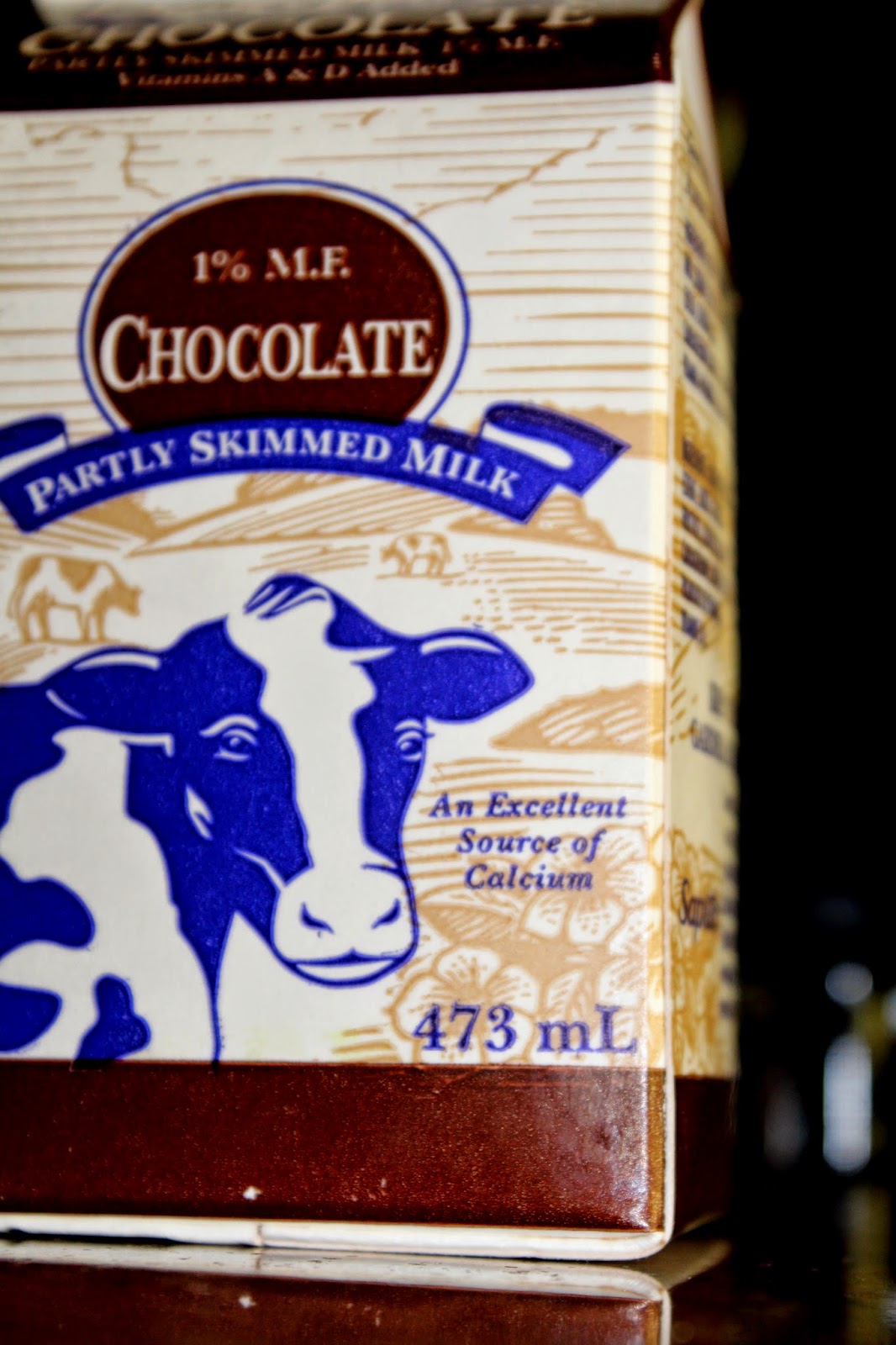


Tuesday, 8 April 2014

Lens Definitions

Types of Lens':

Sigma Superwide 8-16mm
- Ultra-wide angle zoom lens; makes image/background appear larger & very sharp
- Useful in landscape and interior photography

24mm
- Wide angle fixed lens; not as extreme as 8-16mm
- Useful in architecture, landscape, & interior photography

50mm
- Standard lens; mimics the field of view of the human eye
- Can be used for many things, such as portraits, photojournalism, macro images, etc.

60mm (macro)
- Fixed lens; makes things appear bigger than they actually are
- Good for taking pictures of bugs, plants, & any small objects

85mm
- Fixed lens; produces high quality images in low lighting & maintains closeness to subject
- Ideal for portraits; allows subject to stand farther away from photographer

Lensbaby Lens
- Selective focusing lens; focuses on one part of image & blurs the rest (appears circular)
- Used in special effects photography; useful for bokeh effects

80-200mm
- Telephoto zoom lens; compress' image and makes objects appear closer
- Good for taking pictures of wildlife, sports, & portraits

1. What is a prime lens? A lens with a fixed focal length (e.g. wide angle, telephoto); no zoom


2. What is a zoom lens? A lens where the photographer can change from a long shot to a close-up by varying the focal length

3. When looking through a telephoto lens does the object appear closer or further? The object would appear closer; due to a narrow field of view, the image appears magnified

4. Describe an example of when you would use a wide angle lens? If your are trying to take a shot of a large landscape, like a farm, and you want to fit everything you see in the image

5. When would you use a macro lens? When taking close-up shots of small objects (e.g. insects, plants)

6. If you want a macro effect but DO NOT have a macro lens, what is another option? You can take your current lens off and hold it against your camera backwards while on manual mode; if the picture is to light, the shutter speed is to long


Friday, 14 March 2014

Photo Essay Planning

What is my environmental concern? - Dairy products

Why is it important to me? - Because it is something that many people in North America consume daily and it is bad for the environment, our health, and the cows producing it

Negative effects on the environment:
  • Trees must be cut down to create more room for factories
  • The factories pollute the air, producing a significant amount of the world's greenhouse gases
  • The large amount of cow waste produces high amounts of methane and nitrate
  • Nitrate pollution from the factories enters the land, polluting the soil and water
  • Water wastage; it takes 1200 litres of water to make one litre of milk

Negative effects on animals and humans:
  • The calves on dairy farms are taken away from their mothers and fed milk re-placers so humans can have the milk
  • Female cows are crowded into confined spaces and are slaughtered after 4-5 years, or when they develop diseases or reproductive problems
  • Male calves are chained in tiny stalls and not allowed to move for 18 months, when they are then slaughtered for veal
  • Cow's milk causes food allergies in infants and children
  • The dairy industry claims that milk is healthy and helps your bones, when it may actually increase a woman's chance of developing osteoporosis

Ideas for shooting subject:

Worm's eye view

Rule of thirds

Repetition

Framing
Contrast
Leading lines

References

  • http://www.theecologist.org/News/news_analysis/680970/what_is_the_environmental_footprint_of_megadairy_farming.html
  • http://ecopolproject.blogspot.ca/2011/11/how-does-your-local-dairy-farm-affect.html
  • http://www.peta.org/issues/animals-used-for-food/animals-used-food-factsheets/cows-milk-cruel-unhealthy-product/

Monday, 10 March 2014

Blue Random Roll (Snow Day)


Bernd & Hilla Becher


Bernd and Hilla Becher are a married couple from Germany who travel around and take pictures, some of their projects lasting for years at a time. There projects consist of various photos of the same objects, all from different places and sometimes eras.

This particular series of photos (above) was taken from 1983 - 92; although the subjects are slightly different, they are all of the same general objects (gas tanks), and they are taken using the same lighting and composition.

The Becher's style of photography has inspired many modern day photographers, one significant person being Idris Khan. Khan is a British photographer who has done many projects inspired by a diverse assortment of cultural sources (art, literature, previous photographers, etc.).

The photo below was done in the same style of the Becher's gas tank photos, but with a twist; Khan took multiple exposures of different gas tanks and made sure that every layer could be seen, creating one photo.


Every...Bernd And Hilla Becher Spherical Type Gasholders
I think that Idris Khan's approach to this photo was really interesting. He expanded on the style of the Becher's contact sheets and created one photo more unique to himself.